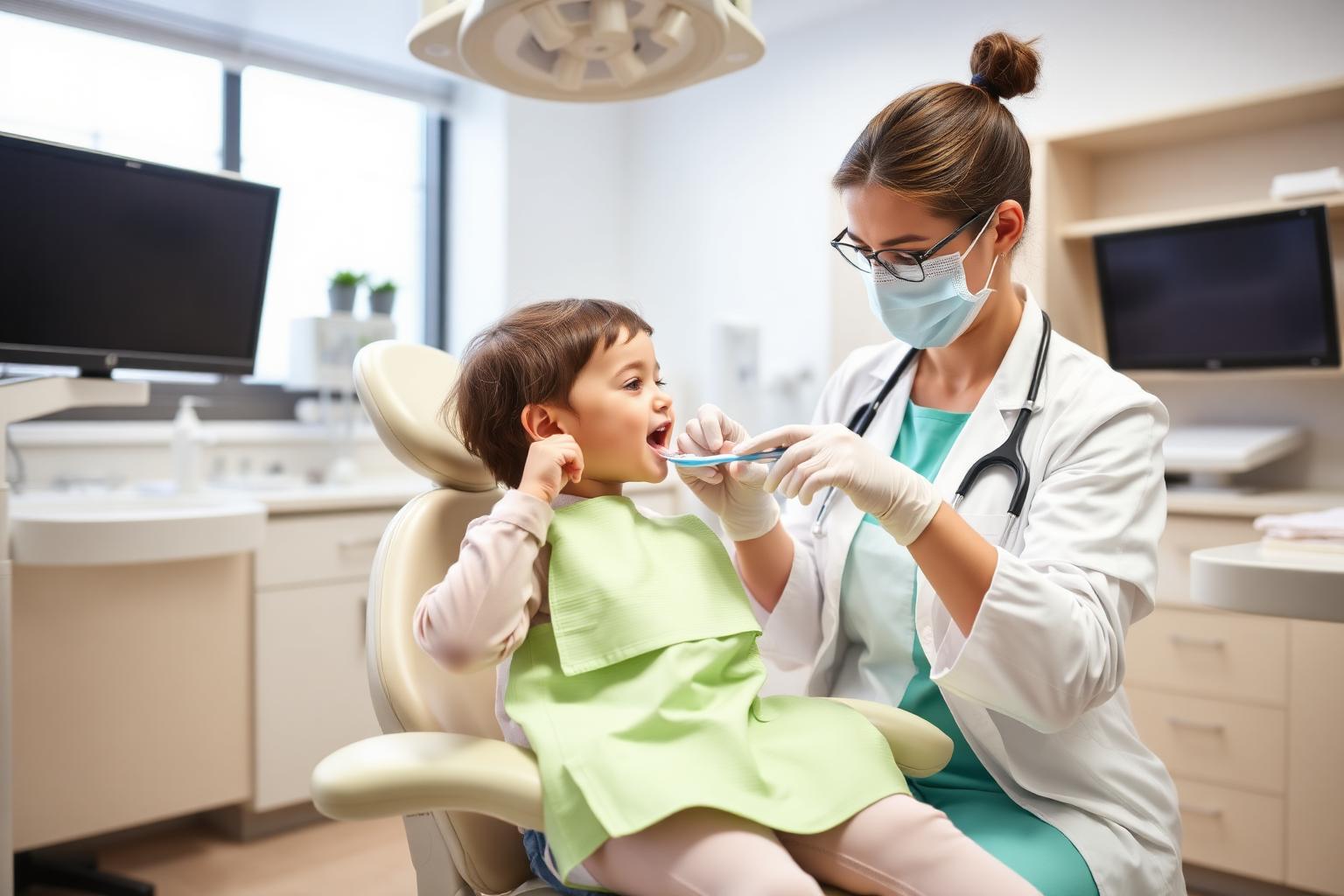
Early & Interceptive Orthodontics for Kids in Canton, Ohio
Early and interceptive orthodontic care for growing smiles. We assess bite, jaw growth, and habits by age 7 and guide development at the ideal time.
Early Orthodontic Assessment for Children in Canton, Ohio
The American Association of Orthodontists recommends every child have a first orthodontic evaluation by age 7. An early assessment doesn't mean early braces — it means catching problems while jaw growth and tooth eruption can still be guided in the most favorable direction.
By age 7, enough permanent teeth have usually erupted to reveal the bite pattern, arch width, and how the upper and lower jaws are relating to each other. That's when we can spot crowding, crossbites, protruding teeth, jaw discrepancies, and harmful habits like thumb sucking or tongue thrusting that shape the developing mouth.
Interceptive Orthodontics for Growing Smiles
When we do identify a problem early, interceptive (Phase I) orthodontics is the short, focused first phase of care that takes advantage of a child's active growth. It's called "interceptive" because we intervene while the jaws are still developing — often preventing a bigger problem before it fully forms.
Common interceptive treatments include palatal expanders to widen a narrow upper jaw, partial braces to correct a crossbite, habit appliances to help stop thumb sucking or tongue thrusting, and space regainers when a permanent tooth is close to being blocked out. These treatments typically last 6–18 months and are followed by a monitoring period until the remaining permanent teeth erupt.
Not every child needs interceptive care. When early treatment isn't necessary, we simply monitor development every 6–12 months and start comprehensive treatment (if any is needed) at the ideal time.
Why Early Assessment Matters
Early evaluation gives us the option to guide growth rather than correct it later. Some problems — narrow arches, crossbites, and severe crowding — respond much better while a child is growing than once permanent teeth are fully in place. Even when treatment can wait, an early assessment gives parents peace of mind and a clear plan.
What We Evaluate
During the visit we look at tooth alignment and eruption sequence, upper and lower jaw growth, bite relationship (overbite, underbite, crossbite, open bite), airway and breathing patterns, and oral habits. We use gentle, age-appropriate techniques so kids stay comfortable and often actually enjoy the visit.
Coordinated Care
When interceptive treatment is helpful, we coordinate with orthodontic partners for any appliances beyond our scope. Whether the plan is "monitor now, brackets later" or a short Phase I today, you'll leave with a clear roadmap.

Comfortable dental visits for children
Every service page now includes supporting pediatric dental imagery to strengthen trust and create a more visual experience.
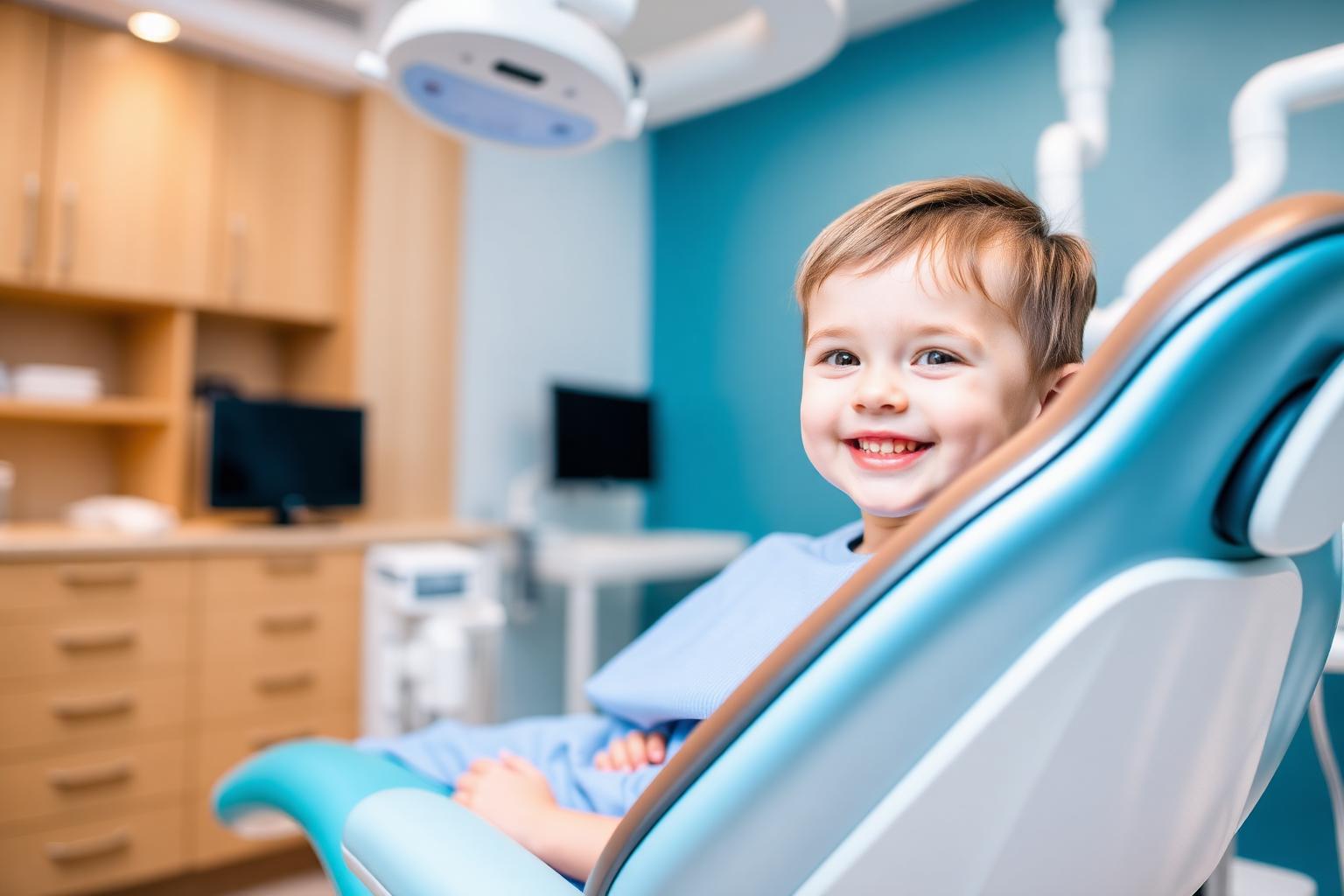
Kid-focused care in Canton, Ohio
These pages now consistently show three distinct, relevant clinic images without reusing the same asset on the page.
Benefits
- Early detection of bite and alignment problems
- Guides jaw growth while your child is still developing
- May reduce or shorten future orthodontic treatment
- Corrects crossbites, crowding, and habit-related issues
- Addresses thumb sucking and tongue thrusting early
- Monitors eruption of permanent teeth
- Improved long-term treatment outcomes
- Peace of mind and a clear roadmap for parents
Frequently Asked Questions
Ready to Schedule Your Child's Appointment?
Contact our Canton, Ohio pediatric dental team today. We're here to provide gentle, comprehensive care for your child's dental health.